.png)
The Invisible Cost of Convenience: What You’re Sacrificing with Article Rewriters

We’ve all been there. The blank page glows, a deadline looms, and the siren call of a quick fix whispers from a browser tab. An online article rewriter promises a path of least resistance: paste, click, and watch your content problems dissolve. But in the quiet transaction of that single click, what are you really trading away? This isn't just about swapping synonyms; it's a fundamental gamble with the soul of your writing, the trust of your audience, and the very authority you seek to build.
Forget the flashy marketing claims. Let's pull back the curtain on the most common, costly mistakes writers and marketers make with these tools. The stakes are higher than awkward phrasing—they encompass your brand’s credibility, your search engine standing, and your connection with real human readers.
Mistake 1: Confusing Rearrangement for Original Thought
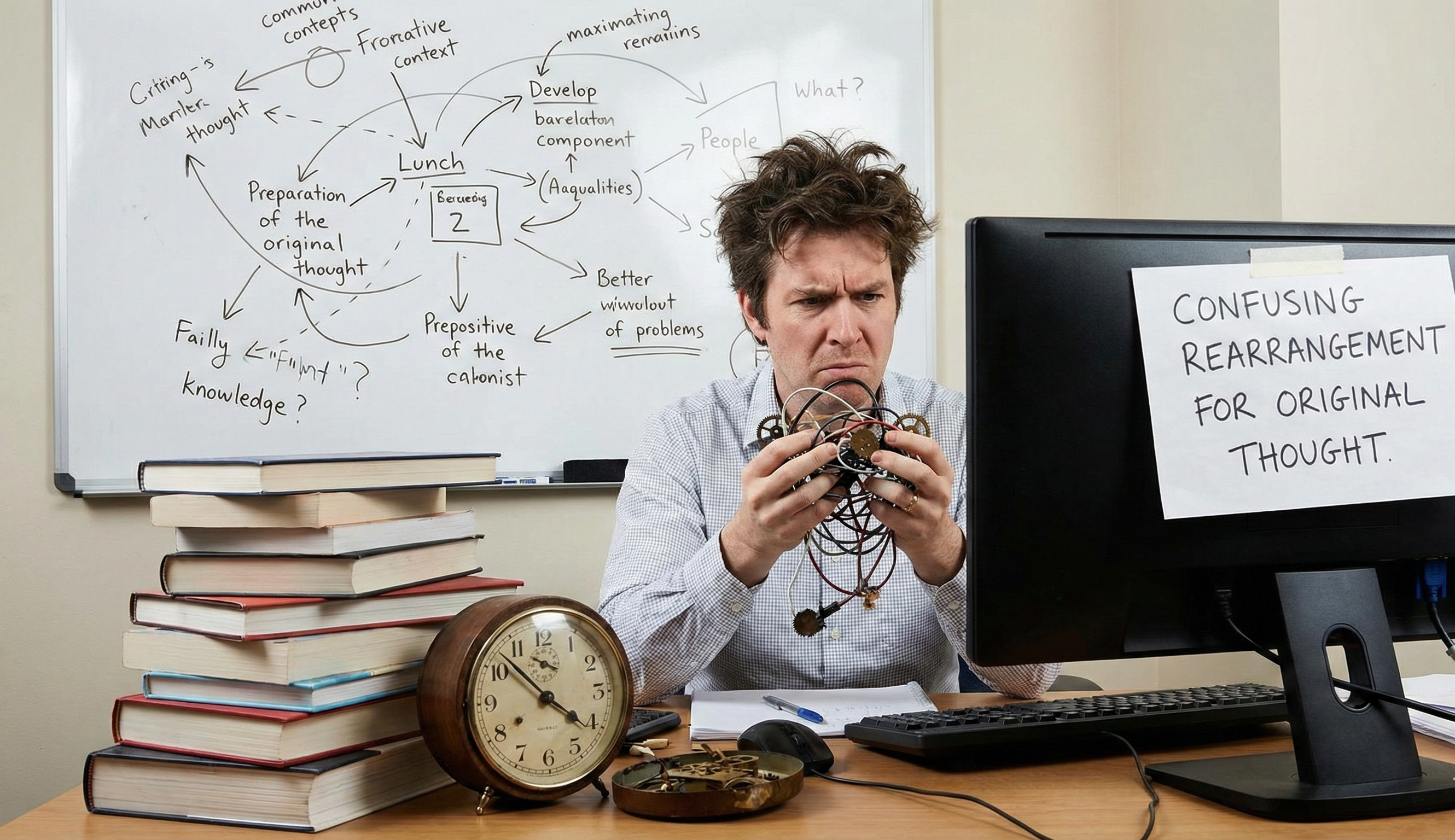
The most seductive error is believing these tools create something new. They don't. At their core, most rewriters are sophisticated pattern-matching algorithms. They identify words and sentence structures, then perform linguistic gymnastics—swapping verbs, flipping clauses, inserting adjectives. The underlying idea, the research, the foundational argument remains unchanged from the source you fed it.
This is where you court serious trouble. Search engines like Google have grown immensely sophisticated at identifying duplicated and thinly-disguised content. Their entire mission is to serve users unique, valuable information. When their algorithms detect content that merely rephrases existing web pages, they have no incentive to rank it. Your rewritten piece becomes digital clutter, invisible to the audience you wanted to reach. True originality isn't a cosmetic layer; it's a unique perspective, fresh analysis, or novel synthesis of ideas that no machine can currently replicate.
Mistake 2: Sacrificing Human Voice for Robotic "Correctness"
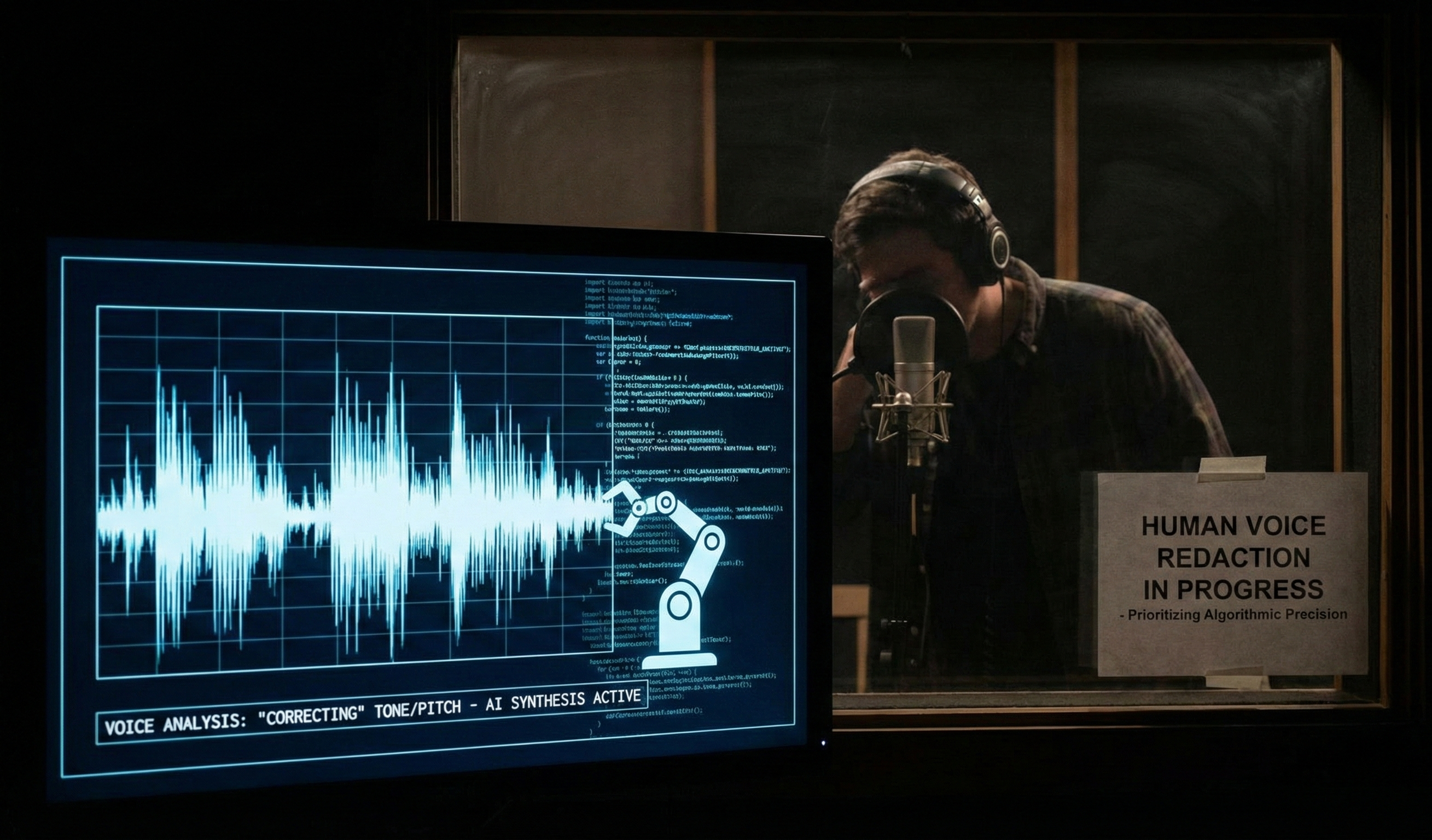
Your voice is your signature. It’s the distinct rhythm, the chosen metaphors, the subtle humor that makes a reader feel like they’re in a conversation with you. Article rewriters are tone-deaf. They systematically strip away the idiosyncrasies that give writing character, flattening everything into a monotonous, technically-correct drone.
Read a machine-rewritten paragraph aloud. You’ll notice a strange cadence. Sentences may be grammatically sound but feel disconnected. Transitions are clumsy or absent. The writing lacks flow because the algorithm doesn’t understand narrative or emotional arc—it processes text in segments. The result is content that might pass a casual scan but fails to engage, persuade, or inspire. It’s the difference between a handcrafted piece of furniture and a flat-pack assembly; one has soul, the other just has assembled parts.
Mistake 3: Ignoring the Contextual Carnage
Words derive meaning from their neighbors. The phrase "run fast" means one thing to a sprinter and another to a software program. Rewriters often blitz through this delicate ecosystem with the subtlety of a bulldozer. Idioms get mangled ("kick the bucket" might become "strike the pail"). Technical terms are replaced with irrelevant synonyms. Brand names or key phrases central to your topic can be altered, rendering the text nonsensical to a knowledgeable reader.
This creates a trust gap. When an informed reader encounters a jumbled technical explanation or a confused industry term, they don’t think "poor tool"; they question your expertise. It undermines the EEAT (Experience, Expertise, Authoritativeness, Trustworthiness) principles that both readers and search engines use to judge quality. Why would anyone trust a brand that can’t accurately discuss its own field?
Mistake 4: Overlooking the Ethical and Legal Tightrope
This is the quietest mistake with the loudest consequences. Using a rewriter on someone else's copyrighted work and publishing it as your own is plagiarism, plain and simple. It doesn't matter if every fifth word is different; the structure and intellectual property belong to the original author. Tools that promise to make content "undetectable" are selling a dangerous fantasy.
Beyond outright theft, there's a murkier area of ethical sourcing. If you use a rewriter to process five articles on a topic and merge the output, who owns that derivative work? The legal landscape for AI and machine-generated content is still evolving, but the reputational risk is immediate. Being labeled a content thief is a brand killer. Authentic content marketing is built on a foundation of ethical creation, not clever evasion.
Mistake 5: Neglecting the Foundational Work
A rewriter is often a symptom of a larger problem: skipping the essential, difficult steps of content creation. You cannot automate what you haven't first defined. A tool has no strategy, no understanding of your target audience's pain points, no insight into the keyword landscape, and no ability to formulate a unique thesis.
Think of it this way: a rewriter is like a high-powered spice blender. It's useless if you haven't first gone to the market, selected quality vegetables (research), decided on a recipe (strategy), and prepared your ingredients (outline). Throwing random, unwashed veggies into a blender gives you mush, not gourmet soup. Great content starts with human-led research, planning, and insight. The writing is the execution of that blueprint, not a replacement for it.
Mistake 6: Forgetting That Readers Aren't Algorithms
We write for people. Even when we optimize for search engines, the end goal is a human connection—a click, a share, a purchase, a sign-up. Rewritten content often excels at being "keyword dense" or "unique" in a robotic sense but fails the basic test of readability and value. It answers the question "How can this be different?" instead of "How can this be useful?"
Readers seek clarity, empathy, and solutions. They respond to storytelling and authentic voice. A piece rewritten for the sake of difference is a closed loop, speaking only to the original text and the tool's programming. It never lifts its gaze to ask: What does my reader need to know, feel, or do? This human-centric purpose is the first casualty of automated rewriting.
A Strategic Alternative: The Human-Machine Workflow
This isn't a Luddite rant against technology. The key is to shift the tool's role from author to assistant. Used strategically, these utilities can have a place in a thoughtful process. The power dynamic must be clear: you are in control.
Here is a comparison of the flawed, common approach versus a strategic, ethical one:
| Aspect | The Common (Flawed) Approach | A Strategic, Ethical Alternative |
|---|---|---|
| Core Purpose | To create "new" content from existing text with minimal effort. | To overcome writer's block or generate alternative phrasings within a human-led process. |
| Starting Point | A single existing article from the web. | Your own original research notes, interview transcripts, or a rough first draft. |
| Human Role | Passive: Copier, paster, passive approver. | Active: Director, editor, curator, final author. |
| Output Treatment | Published as-is, often with minimal review. | Used as a raw material for heavy editing, refinement, and re-writing by a human. |
| Ethical Standpoint | High risk of plagiarism and intellectual property violation. | Low risk; used as a compositional aid on original materials. |
| End Result | Generic, robotic, potentially duplicate content that lacks authority. | A polished, original piece that retains a human voice and strategic intent. |
For instance, you might write a first draft that's awkward but contains all your ideas. Feeling stuck on a repetitive paragraph, you could run that specific section through a rewriter not for the final output, but to jar loose a few alternative sentence structures. You take a useful fragment—a better verb, a rearranged clause—and weave it back into your own voice. The tool breaks your mental logjam, but you remain the architect.
The Path Forward: Reclaiming Your Authority
The allure of the shortcut is powerful, but sustainable content success is built on a different foundation: authority. Authority comes from offering a distinct viewpoint, from doing the work your competitors skip, and from speaking to your audience with clarity and authenticity.
Your next piece of content shouldn't ask, "How can I make this existing text pass as mine?" It should ask:
"What unique experience or data can I bring to this topic?"
"What specific question is my audience asking that hasn't been fully answered?"
"How can I structure this information to be genuinely more helpful or insightful?"
Start there. Do the research. Talk to experts. Form your own conclusions. Write a messy first draft that is unequivocally yours. Then, if you must, use digital tools sparingly as a polish, not a foundation. Your readers will feel the difference, and over time, search engines will reward it.
The most valuable asset you have is your own capacity for thought. Don't trade it for the illusion of convenience. Put in the work, own your voice, and build content that stands the test of time—and algorithms.